
The Total Transformation: Rescuing a Classic
Every home has a story, but some require a complete “re-write” to stay functional for the modern era. In the heart of San Antonio, we took on a project that looked like a standard 1970s ranch from the outside, but inside, it was a race against time. The goal wasn’t just adding a fresh touch, it was a mission to expand the living footprint and remediate structural decay that had been brewing for years.
Beyond the Limestone: The Initial Assessment
At first glance, the house had great bones. The limestone exterior and wide lot provided a solid foundation, but the interior felt like a time capsule that had lost its seal. The original vibe was that of a reliable family home that had simply reached its limit. The rooms were compartmentalized, the flow was restricted, and the garage badly needed a do-over.
Our vision was twofold:
- Modernize the Core: Stripping the home back to its studs to address hidden moisture damage.
- Maximize the Square Footage: Connecting the main house to the garage and adding a mudroom to transform a standard ranch into a spacious, cohesive estate.
Why 78228?
This neighborhood is iconic for its mix of post-war charm and sprawling 70s designs. However, homes in this zip code often face the unique San Antonio double-whammy: high seasonal humidity paired with aging insulation. As we moved from the curb to the kitchen, we knew that once those walls came down, we’d be seeing the true history of the home, wood rot, mold, and all.
Phase 1: The Surgery (Assessment and Stripdown)
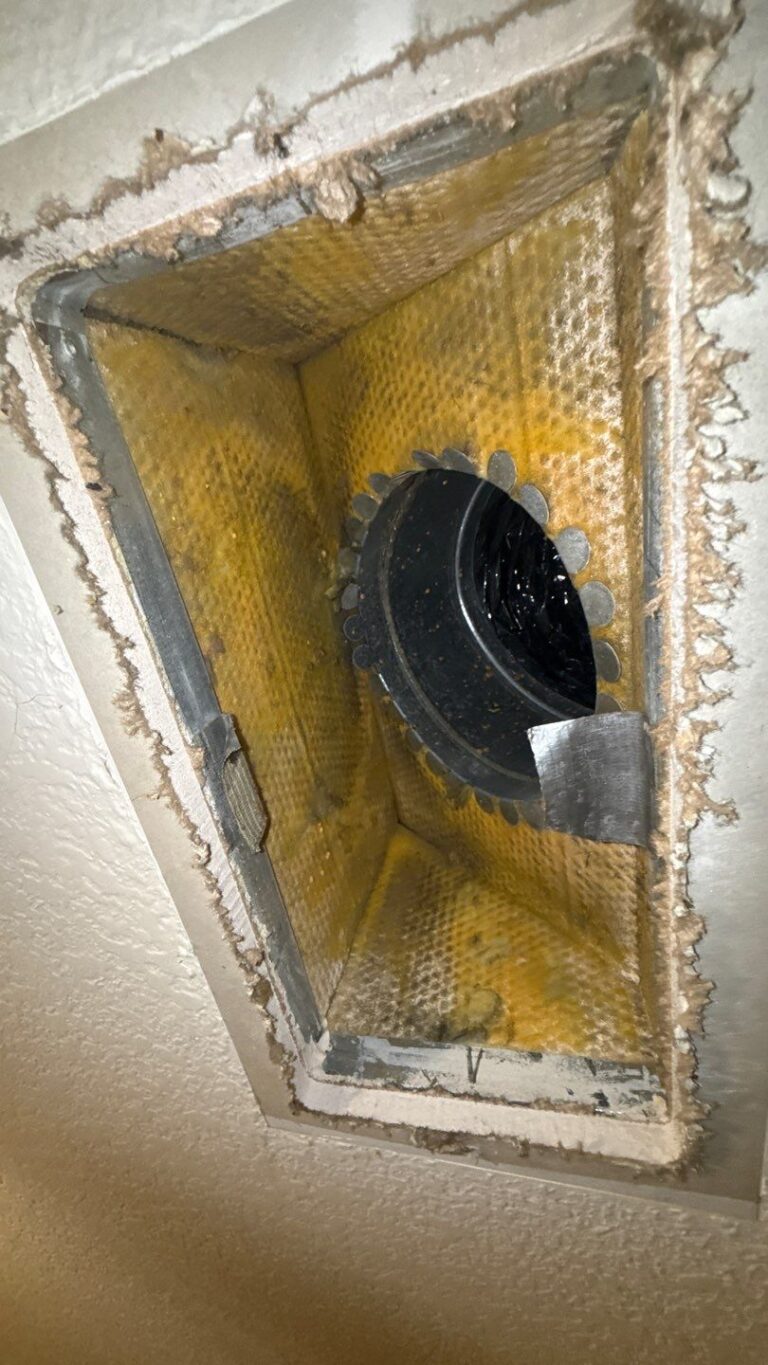
In any 1970s San Antonio remodel, the discovery phase is where the real story begins. Once we cleared the drywall and stripped back the aged yellow fiberglass insulation, we encountered what we call the “San Antonio Sickness.”
The Discovery: Wood Rot and The Building Envelope
Decades of South Texas humidity, combined with a failing building envelope, had turned the wall cavities into moisture traps. As a result, there was significant wood rot and mold growth on the original studs.
From a contractor’s perspective, this wasn’t just “old wood.” It was a structural failure caused by a lack of modern vapor barriers. The moisture had wicked up through the sill plates and settled into the framing, compromising the integrity of the walls. Before we could think about the new entry or the aesthetic finishes, we had to perform a surgery on the house; stripping it down to the skeleton to ensure the new version of the home would last another 50 years.
Exposing the Infrastructure
With the walls open, we gained a clear map of the home’s structural frame. We exposed the:
- Original wooden stud wall framing (which required immediate assessment for salvageability).
- Exposed ceiling rafters, giving us the blueprint for how we would eventually tie in the roof extension.
- Original water supply and drain lines, which came in handy in supporting the new layout.
Phase 2: Structural and Mechanical Choreography
With the surgery of the strip-down complete, we moved into the heavy lifting. In a classic 1970s San Antonio ranch, the layout is often fixed by the original concrete slab and the separation of the garage from the living quarters. To create the modern flow our client needed, we had to re-engineer both the foundation and the roofline.
1. The Entryway Merger: Creating the Mudroom
The defining move of this project was reclaiming the “dead air” between the back of the garage and the original house entry.
- Navigating the Roof Pitch: Extending the roof to bridge this gap presented a significant height-matching challenge. We had to expertly tie the new rafters into the existing mid-century slope to ensure a seamless look and perfect drainage, critical for preventing leaks during San Antonio’s flash-flood-prone storm seasons.
- The Result: This newly enclosed space allowed us to add a highly functional mudroom and an additional toilet, effectively expanding the heated square footage without changing the home’s original footprint.
2. Sub-Floor Surgery: Slab Trenching
Adding a bathroom and relocating the laundry meant we had to go through the house, not just around it.
- Trenching for New Lines: Here, we cut precision access tunnels directly into the concrete slab. This allowed us to install brand-new PVC drain lines and water supply lines with the exact pitch required for modern code.
- Structural Integrity: Because San Antonio is known for expansive clay soil, we reinforced these trenches with rebar before pouring new concrete, ensuring the slab remains stable and the new plumbing stays protected from shifting ground.
3. Mechanical and Building Envelope Updates
- Water and Waste: We replaced aging infrastructure with modern materials, effectively resetting the plumbing clock for the next 50 years.
- Entry Aesthetics: The installation of the new double-door system serves as the anchor for the home, providing a grand, modern threshold that matches the expanded interior volume.
Phase 3: Closing the Envelope and Refined Finishes
After the heavy lifting of slab trenching and roof extensions, the focus shifted to weatherproofing and interior volume. In San Antonio’s climate, the transition from open studs to finished drywall is a race to seal out humidity and ensure the home is energy-efficient for the long haul.
1. High-Performance Insulation and Drywall
We moved quickly to install fresh, code-compliant R-13 Kraft-faced batts throughout the newly framed mudroom and entry.
- The San Antonio Seal: Given the rot we found in the original strip-down, we were meticulous about the vapor barrier.
- Seamless Transitions: In the drywall phase, the real challenge was blending the new entry and mudroom ceilings with the original structure. We used high-grade tape and mudding techniques to ensure that the merger point between the house and the old garage is completely invisible to the eye.
2. Managing the Elements: Gutters & Drainage
A full-gut renovation isn’t complete without addressing water management. San Antonio’s flash storms can dump inches of rain in minutes, which is a nightmare for older slabs.
- New Gutter Systems: We installed high-capacity gutters to handle the increased runoff from the extended roofline.
- Drain Cleaning and Reset: With the slab open, we took the opportunity to perform a deep drain reset. We cleared decades of sediment from the existing lines and tied the new mudroom and toilet plumbing into a pristine, high-flow system.
3. Interior Integration
From there, we proceed with the installation of new interior and exterior doors, including the secondary access point in the mudroom. By integrating the electrical panel into the new framing and prepping the walls for final paint, the once “dark and cramped” ranch is now flooded with light and structured for modern utility.
Phase 4: Integration and The Final Flourish
With the structural envelope sealed, we shifted from heavy lifting to precision finishing. This stage focused on transforming the newly merged space into a high-utility, climate-controlled environment that feels like a seamless extension of the original 1970s home.
1. Climate Precision: The Mini-Split Installation
One of the smartest moves for the new mudroom and entryway extension was the installation of a dedicated ductless mini-split system.
- Targeted Comfort: Rather than overtaxing the home’s original HVAC, the mini-split provides independent climate control for the newly enclosed square footage.
- Efficiency: This is a “pro-tip” for San Antonio renovations; it ensures that the mudroom remains a cool buffer zone against the South Texas heat without requiring massive ductwork changes.
2. Surfaces and Paintwork: Harmonizing the Space
The transition from drywall to a finished aesthetic required a cohesive palette that respected the home’s mid-century roots while feeling modern.
- Warm Tones: We opted for a sophisticated tan/warm greige paint scheme throughout the new foyer and mudroom. This choice softens the transition from the exterior limestone into the interior.
- Texture and Detail: Thanks to the meticulous taping and mudding process, the results are crisp, clean corners that make the merger of the garage and house feel completely intentional.
3. Tiling and Flooring: Durability Meets Style
For a high-traffic area like a mudroom and a new bathroom, the flooring choice was critical.
- The Pattern: We installed a neutral-toned, multi-sized rectangular tile pattern. This layout provides visual interest while being incredibly easy to maintain against the San Antonio dust and rain.
- Seamless Flow: The tiling extends through the new thresholds, providing a durable surface that can handle the transition from the garage to the main living area.
4. Doors and Hardware: The Final Seal
The face of the project was finalized with the installation of high-performance doors.
- Main Entry: We installed large, black-framed double doors with significant glass panels to flood the new foyer with natural light.
- Utility Access: A matching single lite-door was installed in the mudroom area, providing a secondary access point that maintains the home’s updated aesthetic.
Phase 5: The Final Reveal and Curb Appeal
The transition from a construction site to an elegant residence required a meticulous focus on the details that the eye sees first: lighting, entry points, and the overall harmony of the exterior facade.
1. Modernizing the Entry and Lighting
The modern entryway merger reached its peak with the installation of the final fixtures.
- The Threshold: With the installed black-framed double doors featuring large glass panels, we were able to flood the new foyer with natural light.
- Architectural Lighting: To accentuate the new entry and the mudroom access, we fitted modern black lanterns that provide a sharp contrast against the light siding.
- Interior Ambiance: Inside, the new mudroom and foyer were finished with recessed LED lighting, ensuring the space feels bright and airy regardless of the time of day.
2. The Garage and Exterior Refinement
The two-car garage was fully integrated into the home’s new aesthetic.
- Door Restoration: We replaced the garage doors with modern units, then professionally spray-painted them to perfectly match the original limestone and siding color. This ensured that the new additions didn’t look like “tacked-on” parts but rather a cohesive part of the original 1970s design.
- Gutter Integration: Final white K-style gutters were installed along the extended roofline to direct water away from the newly reinforced slab.
3. Climate Control and Interior Logic
With the ductless mini-split system now fully operational and mounted in the new mudroom, the home’s comfort level is future-proofed against the San Antonio heat.
- Paint and Texture: The interior was finished in a warm tan “Cashmere” acrylic latex, which bridges the gap between the rustic exterior limestone and the modern, clean-lined interior.
- Final Tiling: The multi-sized rectangular tile floor provides a durable, elegant surface that ties the mudroom, new half-bath, and entry together.
The Result: A Restored San Antonio Icon
What began as a “standard” ranch with hidden wood rot and a cramped layout is now a premier example of what a thoughtful full-gut renovation can achieve. By merging the garage-to-house gap, we didn’t just add a mudroom and a bathroom; we gave the homeowners a modern lifestyle while preserving the mid-century charm that makes the 78228-zip code so desirable.
Ready to Redefine Your San Antonio Home?
A whole-home renovation is about more than just aesthetics, it’s about structural integrity, climate-ready engineering, and maximizing your property’s potential. Whether you’re facing hidden moisture issues in a 1970s ranch or looking to merge existing structures for a more modern flow, Hayden Restoration has the local expertise to navigate the permits, the “surprises,” and the finish work.
Let’s build your home’s next chapter.
Don’t let a dated layout or hidden rot hold your property back. From initial assessment to the final elegant finish, we handle the heavy lifting so you can enjoy the transformation.
Contact Hayden Restoration Today for a Consultation
Serving San Antonio, TX | Specialists in Structural Remediation & Full-Gut Remodels