
The Smell of San Antonio: Is It Just Humidity or Something Worse?
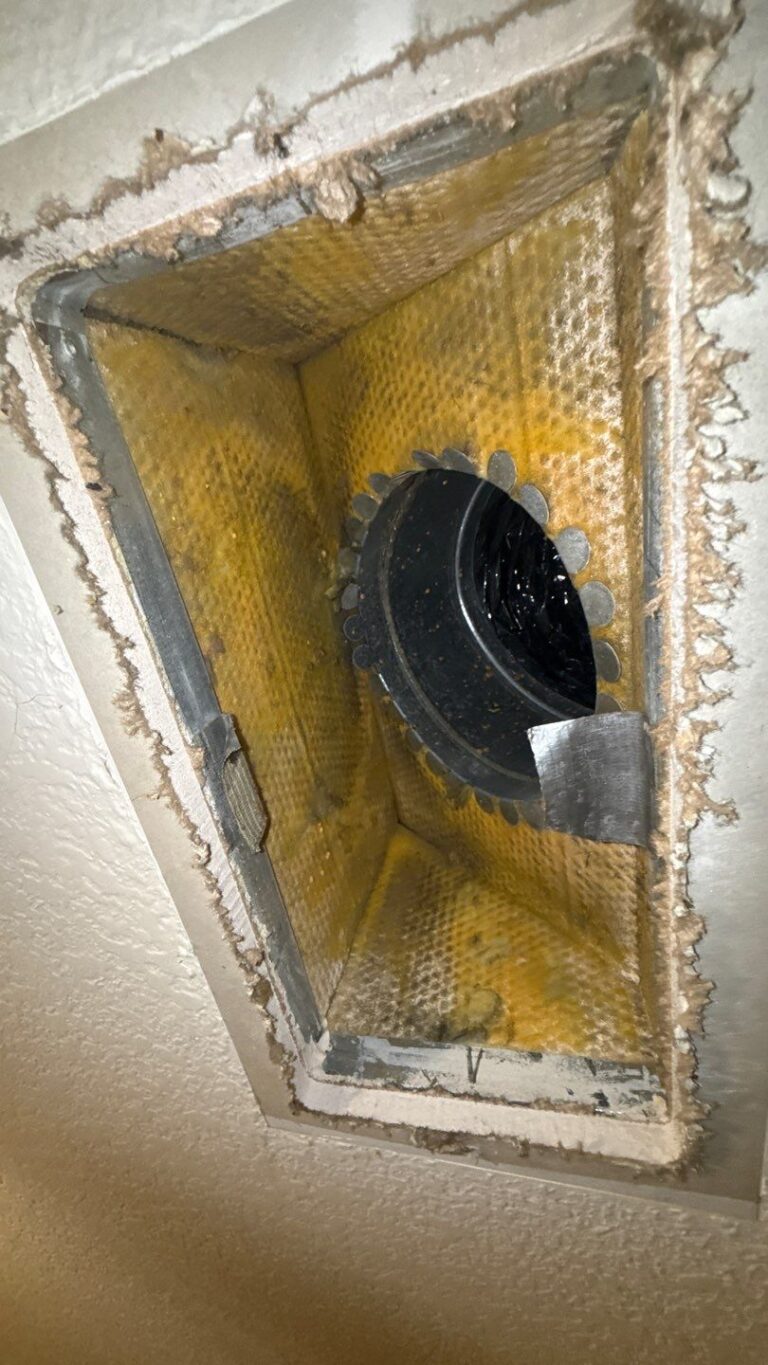
If you’ve noticed a persistent musty smell in your house, you aren’t imagining things, and you certainly aren’t alone. That odor is often the first entity signal that mold has moved into your ductwork. While many homeowners dismiss it as a summer quirk, ignoring it can impact both your health and your home’s air quality.
5 Telltale Signs of Mold in Your San Antonio Vents
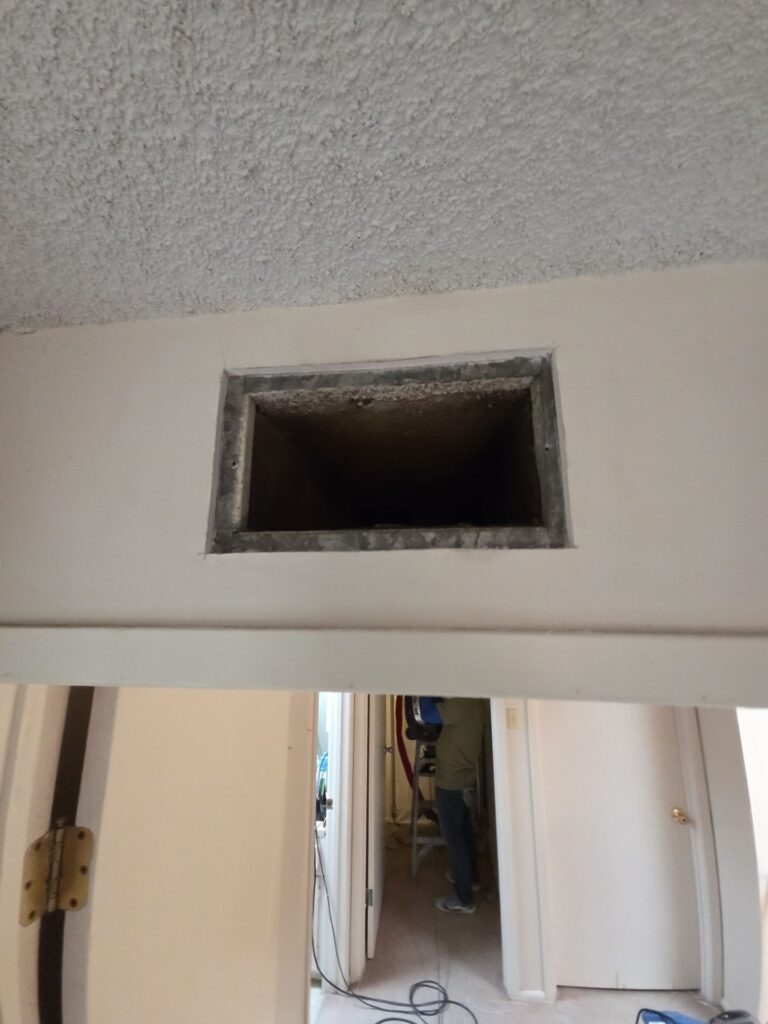
Identifying mold in a central air system is tricky because the evidence is often hidden behind drywall or inside galvanized steel ducts. However, if you are noticing these five signs, it’s time to stop wondering and start testing.
1. The Dirty Sock Syndrome (Musty Odors)
Most San Antonio’s older homes feature retrofitted HVAC systems or original crawlspaces that trap stagnant, humid air. If you notice a pungent, earthy smell, often called the dirty sock syndrome, when the blower turns on, you are likely smelling microbial volatile organic compounds (mVOCs). These are the gases released during the mold metabolic process.
2. Visible Fuzz or Specks on Vent Covers
Don’t dismiss black or green dust on your supply registers. Mold thrives on the temperature differential at the vent cover, where cold AC air meets warm room air, causing condensation.
3. The Leave-and-Relief Test
This is one of the most telling diagnostic tools for San Antonio residents. If your persistent coughing, watery eyes, or headaches seem to vanish when you leave your house, but return within an hour of coming home, your indoor air quality (IAQ) is likely the culprit.
4. Statistically Significant Respiratory Distress
The link between indoor dampness and health is not just anecdotal; it is backed by federal research. According to a landmark study by the Lawrence Berkeley National Laboratory, approximately 21% of the 21.8 million cases of asthma in the U.S. are attributable to residential dampness and mold exposure. For San Antonio families already battling cedar fever or oak allergies, this added mold load can push the respiratory system into a chronic state of inflammation.
5. Excessive Dusting Frequency
If you find yourself dusting your furniture every two days despite keeping windows closed, your AC may be “seeding” your home with fungal spores. When mold colonies inside the ducts dry out, they become brittle and airborne, circulating through every room in the house.
Why San Antonio Homes Are Vulnerable
San Antonio is geographically positioned in a perfect storm zone for fungal growth. Between our specific soil composition and modern building trends, moisture has many ways to enter but very few ways to leave.
1. The Mold Season: March to October
In Bexar County, mold doesn’t follow a traditional calendar; it follows the dew point. Mold germination peaks when temperatures hit the mid-80s and relative humidity exceeds 60%.
- Early Spring (March-May): Rising temperatures and cedar fever season often mask the early signs of mold allergies.
- Mid-Summer Peak: This is the high-stress period for HVAC systems. As they work overtime to dehumidify, condensation levels in the vents reach their maximum.
- Late Fall: Decaying organic matter from live oaks and fluctuating humidity levels create a secondary spike in outdoor spore counts that are easily pulled into home intake vents.
2. The Flash Flood Factor
San Antonio’s Flash Flood Alley status means certain neighborhoods are at higher risk for sudden water intrusion.
- West Side: Older pier-and-beam homes in this district often suffer from ventilation lag, where moisture from heavy rains stays trapped under the home for weeks.
- Uptown/Northern Hills: Proximity to local creek beds and drainage basins means even a single heavy afternoon storm can saturate foundations.
The Law: Understanding the “25 Contiguous Square Foot” Rule
In Texas, mold remediation is governed by Texas Occupations Code §1958. If you are a homeowner in San Antonio, you need to understand the threshold that shifts a “DIY cleanup” into a “state-regulated project.”
1. The 25-Square-Foot Threshold
Under Texas law, if the total surface area of mold to be cleaned or removed exceeds 25 contiguous square feet, the work must be performed by a licensed professional (unless you, the homeowner, perform the labor yourself).
It is also illegal in Texas to hire an unlicensed handyman to remediate more than 25 square feet of mold. Doing so can result in significant fines and may leave you without a legal paper trail for your home’s history.
2. Assessment vs. Remediation: The Conflict-of-Interest Law
Texas law requires a strict separation between the person who finds the mold and the person who fixes it. This prevents contractors from finding non-existent mold just to charge for a cleanup.
- Mold Assessment Consultant (MAC): This individual performs the initial testing, identifies the species, and writes the Remediation Protocol (the literal blueprint for the cleanup).
- Mold Remediation Contractor (MRC): This individual (like the team at Hayden Restoration) executes the protocol.
3. The Texas Mold Certificate (CMDR): Why it Matters for Your Home Value
Once a project is completed and a final clearance test passes, you are issued a Certificate of Mold Damage Remediation (CMDR), specifically Form MDR-1.
- The 5-Year Rule: Under Texas Occupations Code §1958.154, if you sell your home, you are legally required to provide the buyer with a copy of every CMDR issued for the property within the last 5 years.
- Insurance Protection: A valid CMDR prevents insurance companies from making adverse underwriting decisions (like raising your premiums or denying coverage) based on previous mold damage or claims.
The Hayden Restoration Process
At Hayden Restoration, we don’t believe in one-size-fits-all solutions. After all, a bungalow in the Pearl District has different ventilation needs than a multi-story estate in Stone Oak. Our “San Antonio Shield” process is designed to address the specific structural challenges of South Texas.
Step 1: Localized Inspection
Our team understands San Antonio’s architectural diversity.
- Older Neighborhoods: We look for ventilation lag in older brick homes and pier-and-beam crawlspaces where moisture accumulates.
- Modern Builds: We focus on sealed attic designs and high-efficiency HVAC units that can trap humidity if the building envelope is too tight.
Step 2: Advanced Containment (IICRC S520 Standards)
The biggest mistake in mold removal is letting spores escape into the rest of the house. Following the IICRC S520 Standard for Professional Mold Remediation, we isolate the work area using:
- Negative Air Pressure: We maintain a pressure differential (typically 5–7 pascals) to ensure air flows into the contained area and not out.
- HEPA Filtration: We use industrial-grade Air Filtration Devices (AFDs) that capture 99.97% of particles down to 0.3 microns, ensuring the air leaving the work zone is scrubbed clean.
Step 3: Beyond Bleach: Specialized Anti-Microbial Treatments
Many homeowners reach for bleach, but the EPA and OSHA explicitly advise against its routine use for mold remediation.
- Why not bleach? Bleach is 90% water. Once the chlorine evaporates, the remaining moisture can actually feed the roots (hyphae) of mold in porous materials like drywall or wood. Furthermore, bleach is corrosive and can permanently damage the galvanized steel in your HVAC ducts.
- The Hayden Way: We use EPA-registered anti-microbial treatments specifically formulated for HVAC systems. These solutions kill the mold while preventing future colonization without damaging your equipment.
Step 4: Final TDLR Clearance
Following the completion of the remediation, we facilitate the final inspection by an independent Mold Assessment Consultant (MAC).
- Our work is held to the strict Texas Mold Assessment and Remediation Rules (TMARR).
- Once the home passes, you receive your Certificate of Mold Damage Remediation (CMDR), ensuring your property value is protected and your air is officially safe to breathe.
FAQ: Solving San Antonio’s Biggest Mold Mysteries
- How much does mold remediation cost in San Antonio? The average mold remediation project in San Antonio ranges from $1,872 to $2,140 with whole-system cleanings typically falling between $3,000 and $10,000 depending on the severity and size of the home.
- Does Texas home insurance cover mold in my AC? In Texas, most HO-A policies only cover mold if it resulted from a sudden and accidental water discharge (like a burst pipe). Mold caused by long-term humidity is often excluded. However, if you have a Mold Damage rider, you may be covered up to a specific limit. As such, always check your policy’s Water Damage and Mold endorsements.
- How long does the remediation process take? Most professional HVAC mold removals in San Antonio are completed within 1 to 5 business days.
- Can I stay in my home during the cleaning? If the mold is isolated to the ductwork and we have established proper negative air pressure containment, you can often stay in the home. However, your AC system will be powered down during the process.
Breathe Easy with Hayden Restoration
If your AC is blowing more than just cold air, don’t wait for the symptoms to worsen. Our team is licensed, locally based, and ready to provide a thorough, transparent evaluation of your home’s HVAC health.
Schedule Your San Antonio Mold Inspection Today
Read More: Expand Your Home Health Knowledge
If you’re concerned about the air quality in your San Antonio home, explore these related guides from the Hayden Restoration experts:
- Mold Damage Remediation in Texas: A deep dive into our state-licensed process, from initial containment to final TDLR clearance.
- Water Damage Restoration: Preventing the 24-Hour Mold Clock: Learn why fast extraction is the only way to stop mold colonization after a South Texas flash flood or pipe burst.
- A/C Mold Contamination Repair in Texas: Mold contamination inside an air conditioning system can affect multiple components